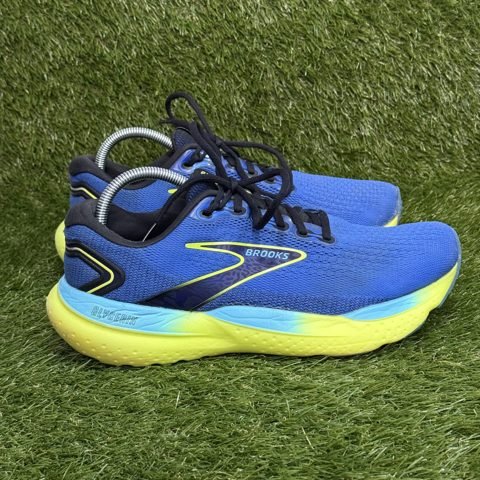
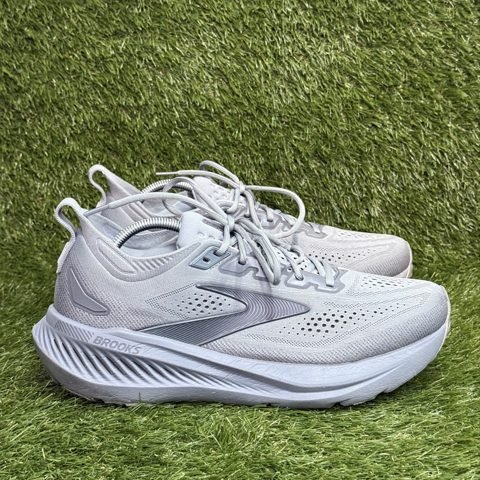
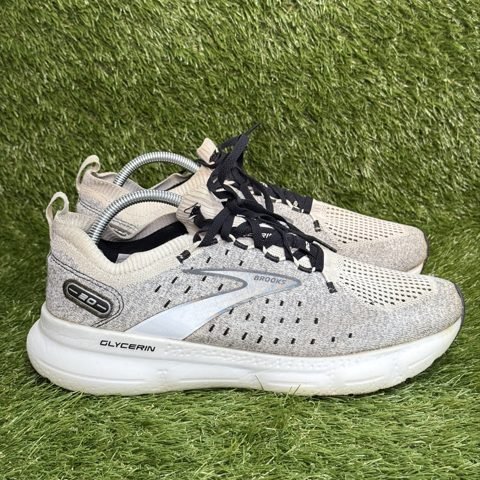
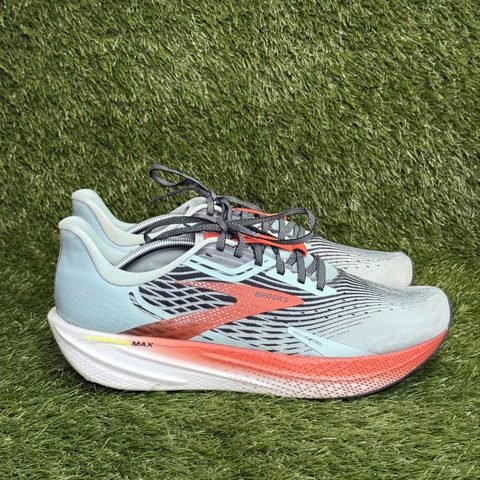
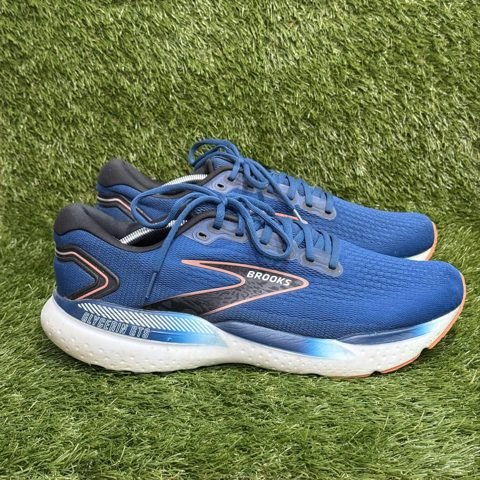
Is it gross to buy used shoes? An honest answer from a reseller
Every time I tell someone what I sell, I get the same face. Fair enough. Here's the straight answer, from someone who handles hundreds of pre-owned pairs.
The reaction is normal, but it's mostly about the idea
People will buy a used car, a used couch, a vintage jacket, and a thrifted pair of jeans without blinking. Shoes feel different because they sit closest to the body for the longest time. That's a real instinct and nobody needs to be talked out of it.
But when you break it down, the things that actually make a used shoe a bad buy are specific and visible. The "someone else wore these" part, on its own, isn't one of them.
What actually matters
The outsole and the foam
This is the shoe's mileage. Look at the outsole photos: is the tread still there at the heel and the ball of the foot, or is it worn smooth? Then look at the midsole from the side. Light creasing in the foam is normal. Deep, compressed wrinkles that make the heel lean over mean the cushioning is done.
The inside of the heel
The heel lining is where shoes fail first on the inside. If it's torn through to the plastic heel counter, the shoe will rub. A clean, intact lining is a good sign the pair was looked after.
The upper
Holes over the toes, split seams and heavy staining are deal breakers for a running shoe. A few scuffs on a lifestyle sneaker usually aren't.
The size tag
Sizing varies from brand to brand and even model to model. A seller who shows you the actual size tag is a seller you can check. We put the tag photo on every pair for exactly that reason.
What doesn't matter as much as you'd think
- That someone wore them. Lots of the pairs that come through here were bought, run in a handful of times, and retired because they didn't suit the runner. Wrong size, wrong feel, a new model came out.
- The insole. Insoles are cheap and swappable. If you're squeamish, a fresh pair of insoles makes the inside of the shoe effectively new to you.
- Minor cosmetic wear. A scuffed toe cap doesn't change how a shoe runs.
What to do when your pair arrives
This is the part that settles most people's nerves.
- Take the insoles out and wash them by hand with warm water and a little mild soap. Let them air dry, never on a radiator.
- Wipe the inside of the shoe with a damp cloth and mild soap, or a disinfecting spray made for shoes.
- Clean the upper with a soft brush and soapy water. Skip the washing machine for anything with foam or glue in it.
- Stuff the shoes with paper and let them dry at room temperature for a day.
- If you want a clean slate, drop in new insoles.
Ten minutes of work, and you've got a pair that might have cost $150 new for a fraction of that.
The value is the whole point
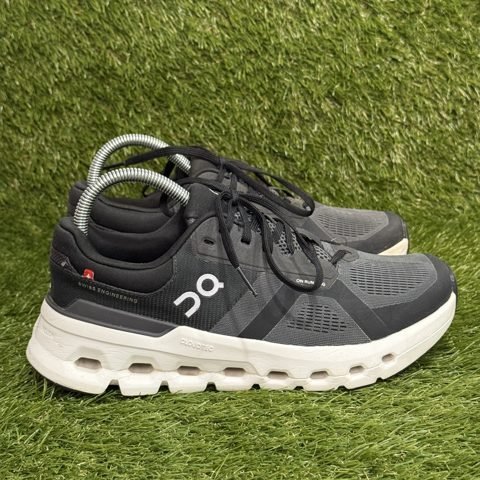
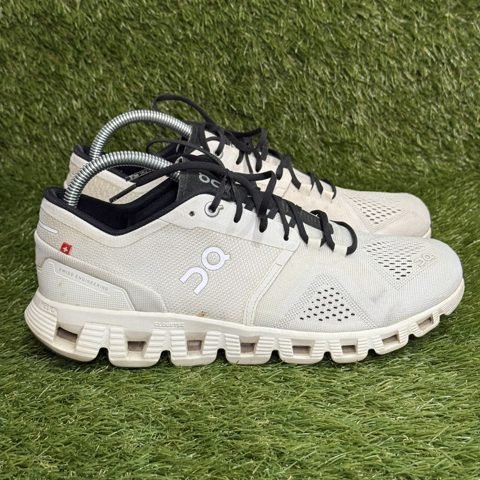
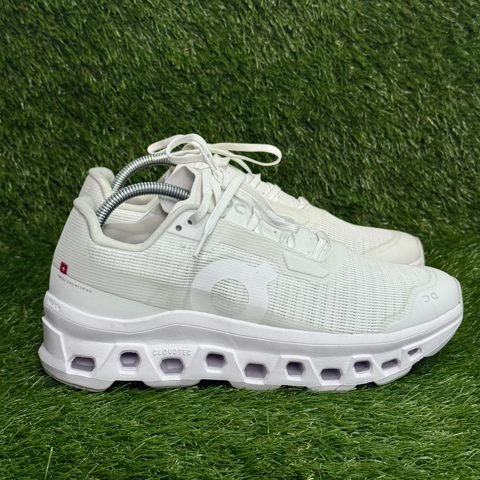
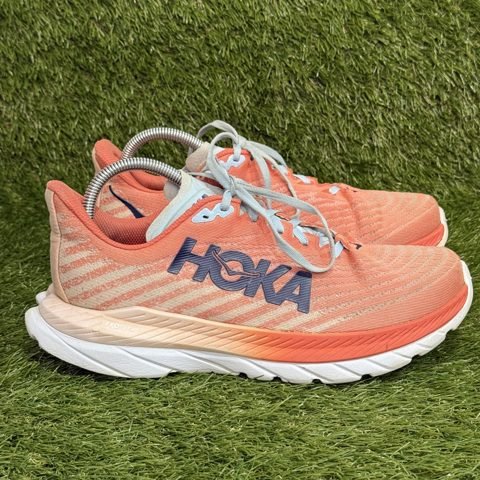
The pairs on our rack right now sit around $50 in the middle of the range, and the best-known running models like the Brooks Ghost and the Hoka Clifton mostly land between $35 and $95. These are shoes with a lot of life left in them that would otherwise sit in a closet or end up in a landfill.
Buying used isn't about settling. It's about not paying full price for the first twenty miles.
 New
 New
 New
 New
 New
 New
So, is it gross?
Only if the shoe is worn out, and you can see that in the photos. Check the outsole, the heel lining and the tag, give the pair a wash when it lands, and you'll have a hard time going back to full retail. If you want to see the condition for yourself, every pair on the rack has close-up photos of the soles and uppers, and you can shop by size to skip straight to yours.